

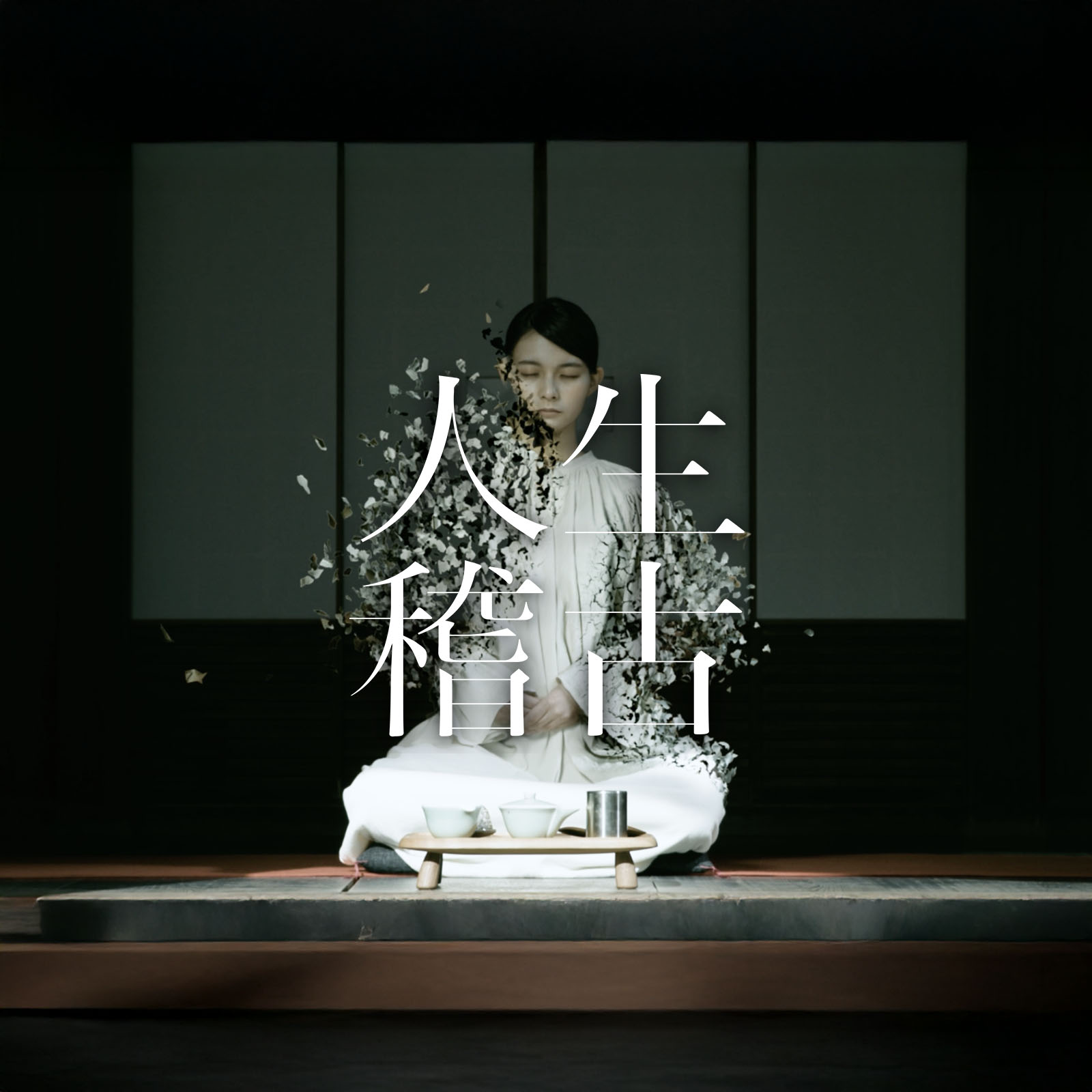
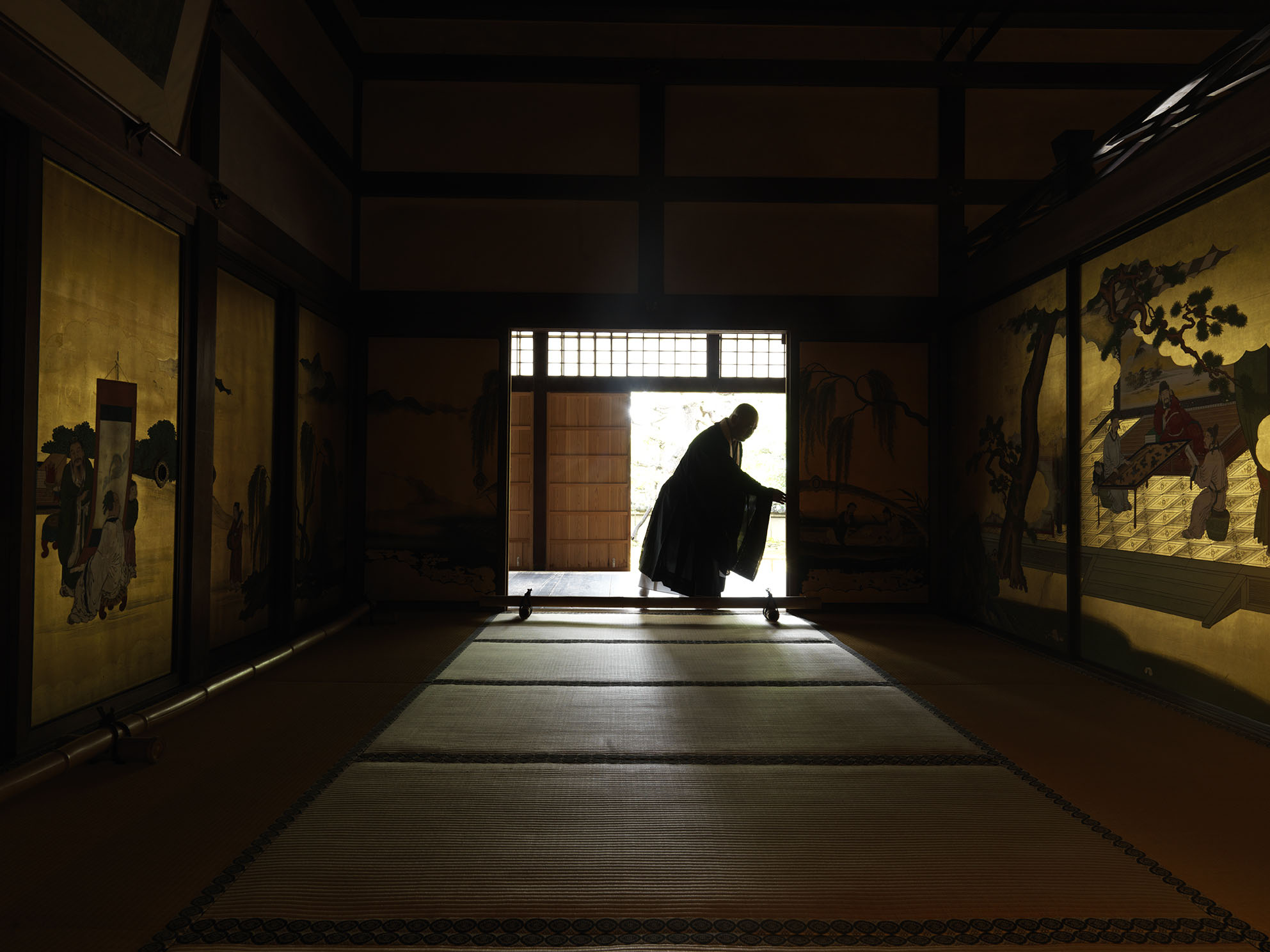
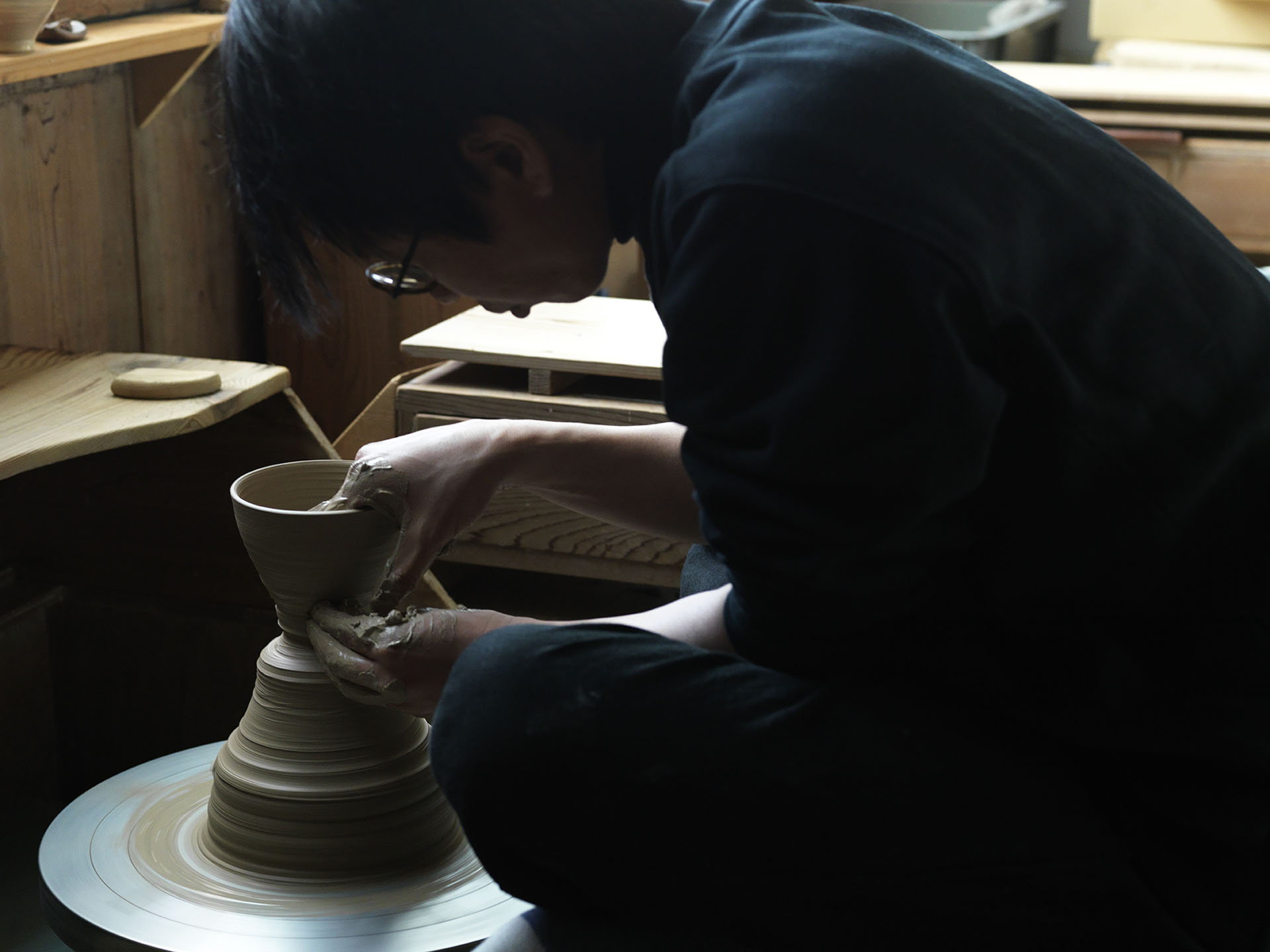
人生稽古は、言葉で固めた自我をほどき、手で編み直す—京都の禅と陶芸で“在り方”を鍛えるプログラム。妙心寺春光院の住職・川上全龍、宇治・朝日焼 十六世 松林豊斎という現役の伝承者に師事し、観光体験やスキル講座ではなく、少人数で本質に切り込む「稽古」として設計されている。
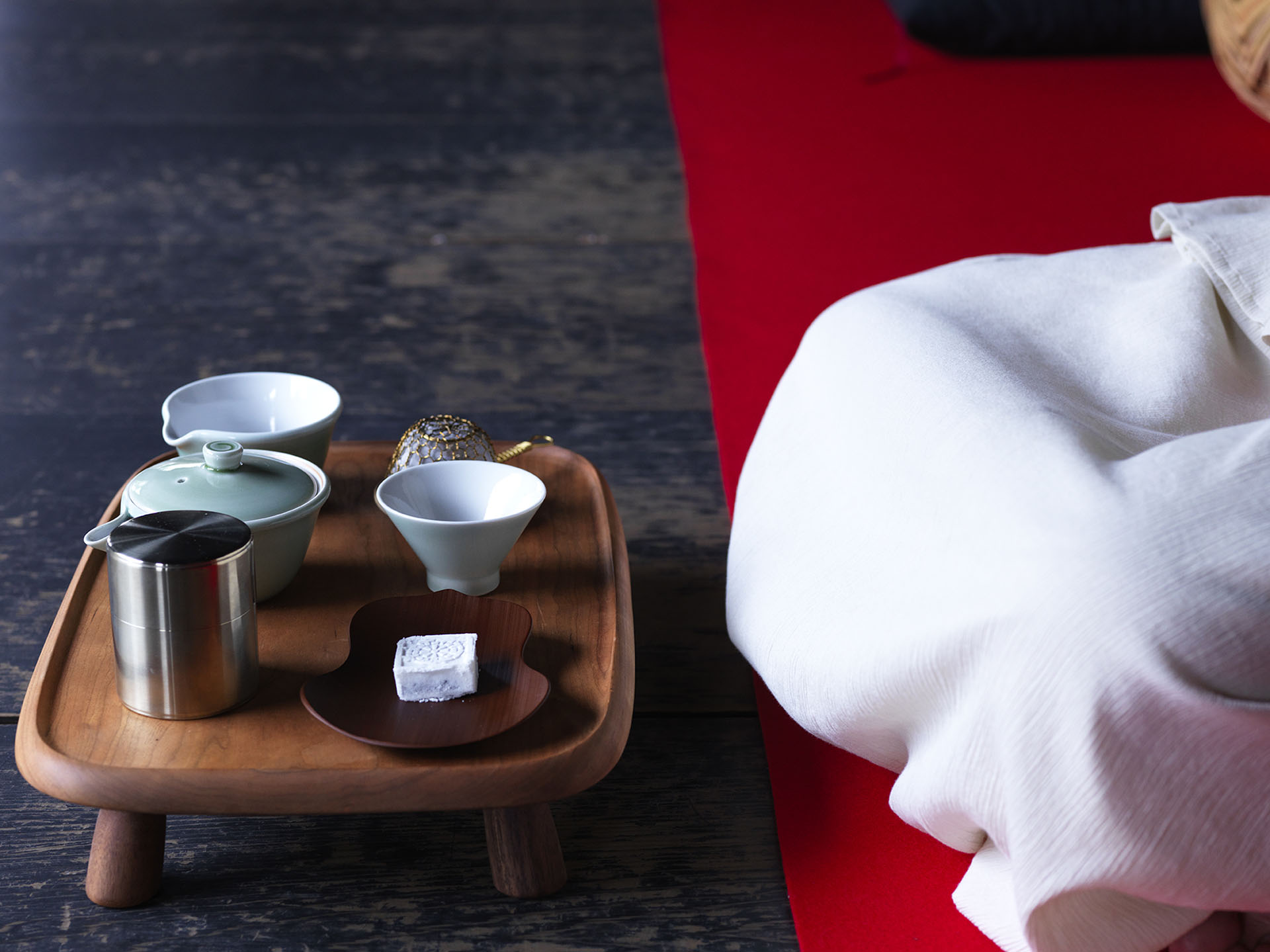
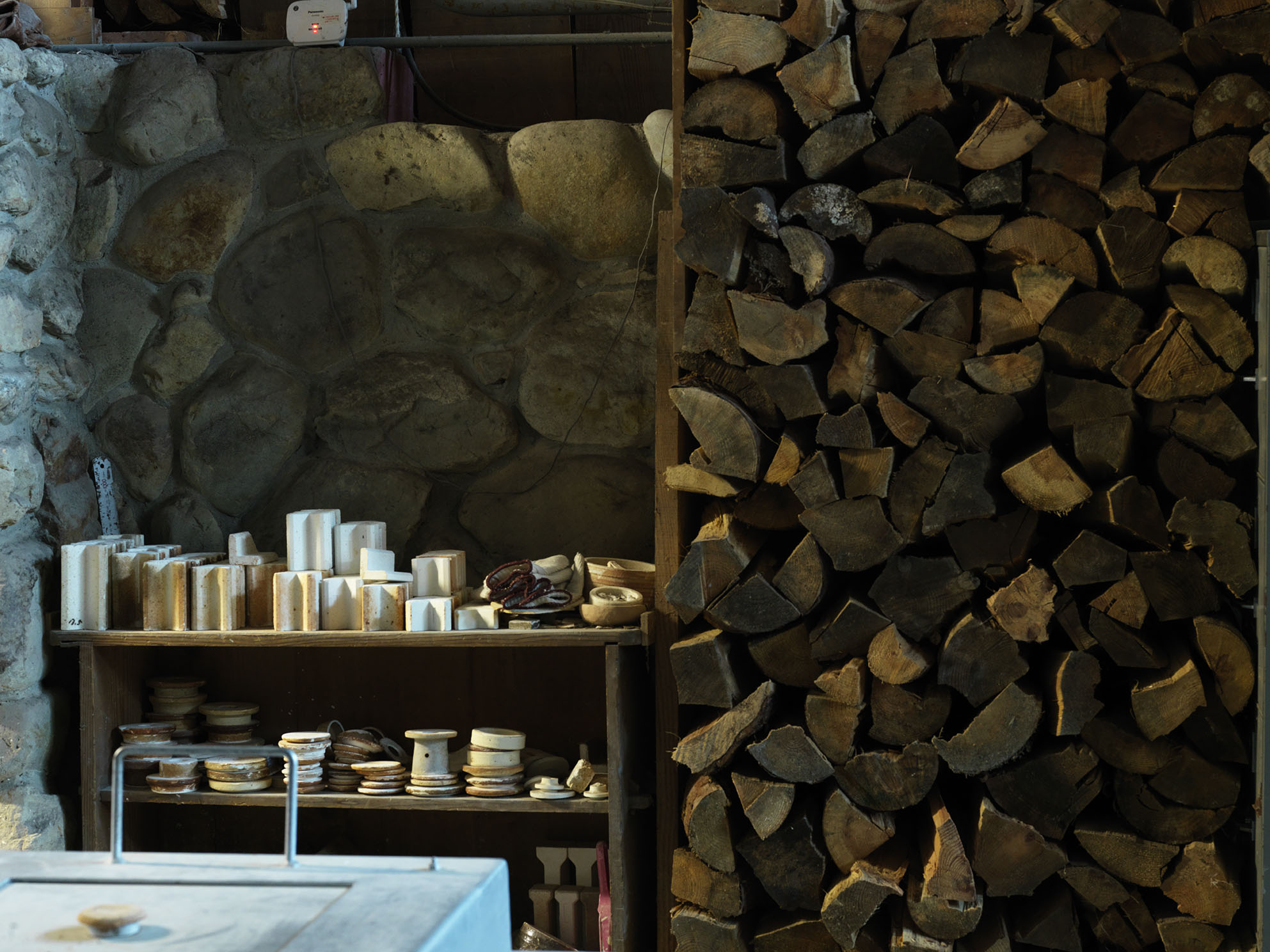
前半は坐禅。呼吸・鼓動・体温へ意識を沈め、言葉や役割で固着した自己をいったん解く。後半は陶芸。土と向き合い、論理・情緒・身体を総動員して轆轤を回す。目的は「うまく作る」ではなく「善く在る」。作品に映るのは技術の優劣ではなく、こちらの態度である。
伝統は“預かりもの”。過去に学び、自分の色で更新し、次へ手渡す。場は機会だけを用意し、その先は学ぶ側の主体性に委ねる。受け身では何も起きない設計だ。
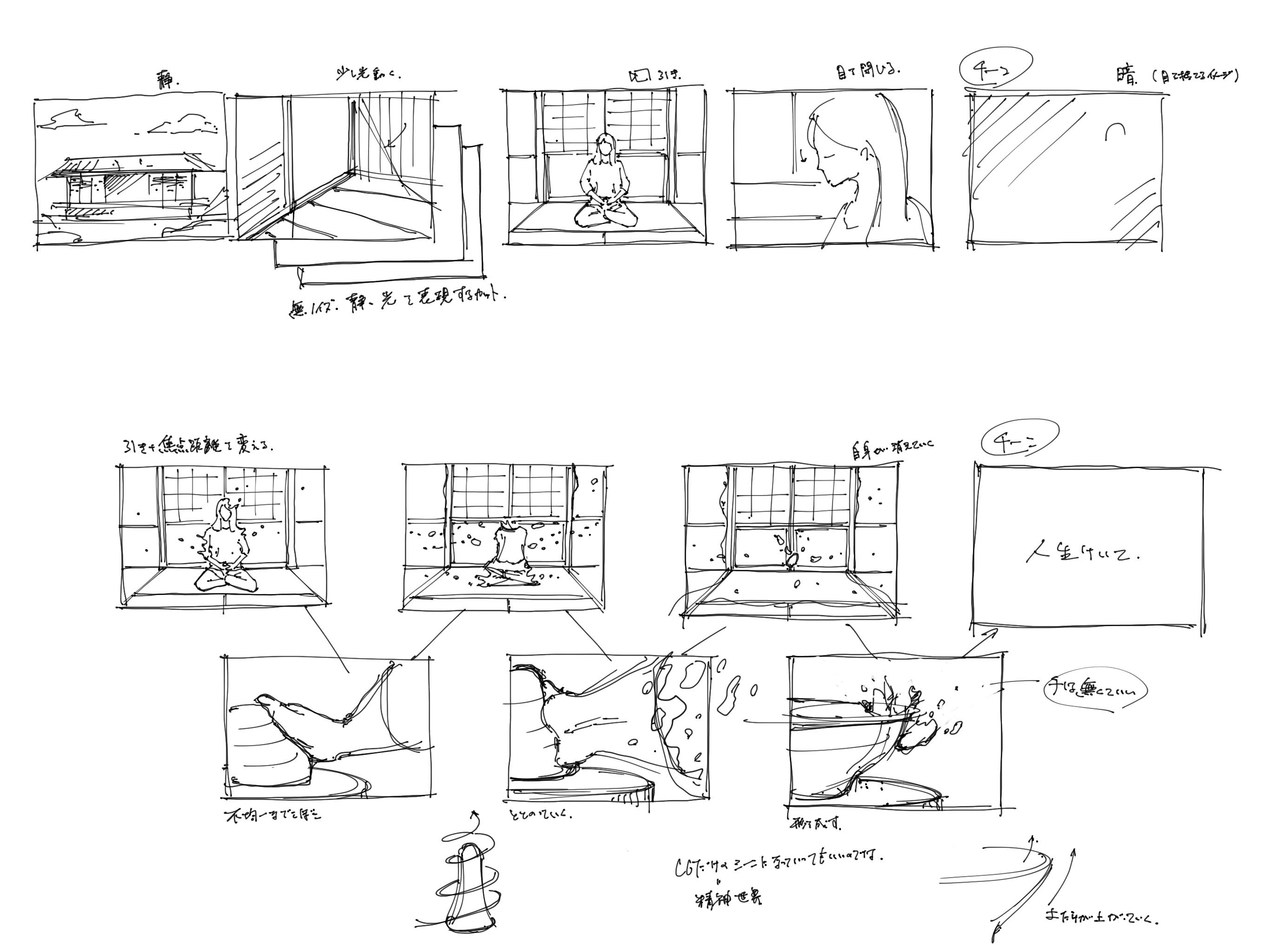
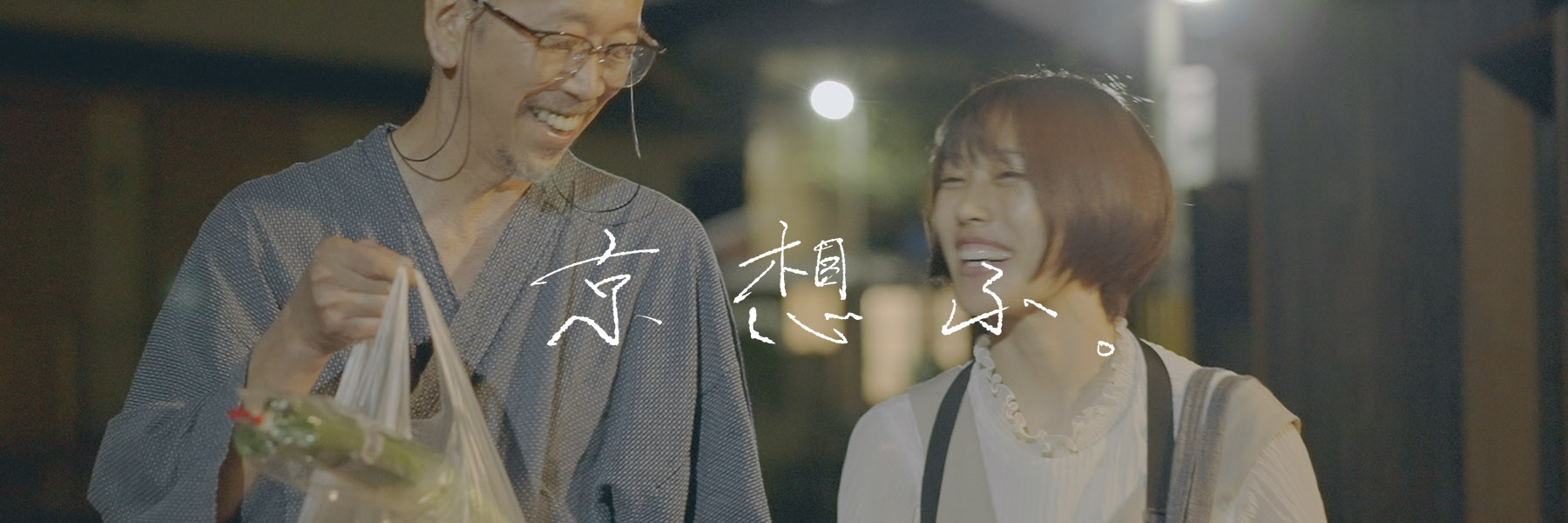
本映像は、xoriumメンバーが実際に稽古を体験し、そこで得た感覚を映像として可視化した。
Jinsei Keiko is a program that unties a self hardened by words and rewoven by the hands—training one’s way of being through Kyoto Zen and pottery. Under the guidance of living lineage-holders—Rev. Zenryu Kawakami, head priest of Shunkoin Temple (Myoshinji), and Matsubayashi Hosai XVI of Asahiyaki in Uji—it is designed not as sightseeing or a skills class but as a small, essence-driven keiko (disciplined practice).
The first half is zazen: sinking attention into breath, pulse, and body heat to loosen the self fixed by language and social roles. The second half is ceramics: facing the clay and turning the potter’s wheel with logic, sensibility, and body fully engaged. The aim is not “to make well” but to be good. What the piece reflects is not technical rank, but one’s stance.
Tradition is something entrusted. We learn from the past, renew it in our own color, and hand it forward. The setting provides only the opportunity; what follows rests on the learner’s agency. Built this way, nothing happens if you remain passive.
This film visualizes the sensations our xorium members gained by undergoing the training themselves.

ディレクション|三浦亜美(ima)
映像制作|xorium
動画撮影|横峯聖悟(Gion Media)
写真撮影|吉澤 健太
音楽|小松千倫(Kazumichi Komatsu)
スタイリング|坂矢悠詞人(PHAETON)、momoka
出演|nonu、川上全龍(妙心寺 春光院 住職)、松林豊斎(朝日焼 十六世)
Director|Ami Miura (ima)
Production|xorium
Cinematographer|Seigo Yokomine (Gion Media)
Photographer|Kenta Yoshizawa
Music|Kazumichi Komatsu. 
Stylist|Yoshihito Sakaya (PHAETON), momoka
Cast|Nonu, Zenryu Kawakami(妙心寺春光院), Hosai Matsubayashi XVI
Other works

Copyright © xorium All rights reserved